
Wine Coolers · Buying guide
Best Wine Coolers (2026): 5 Wine Fridges Compared & Ranked
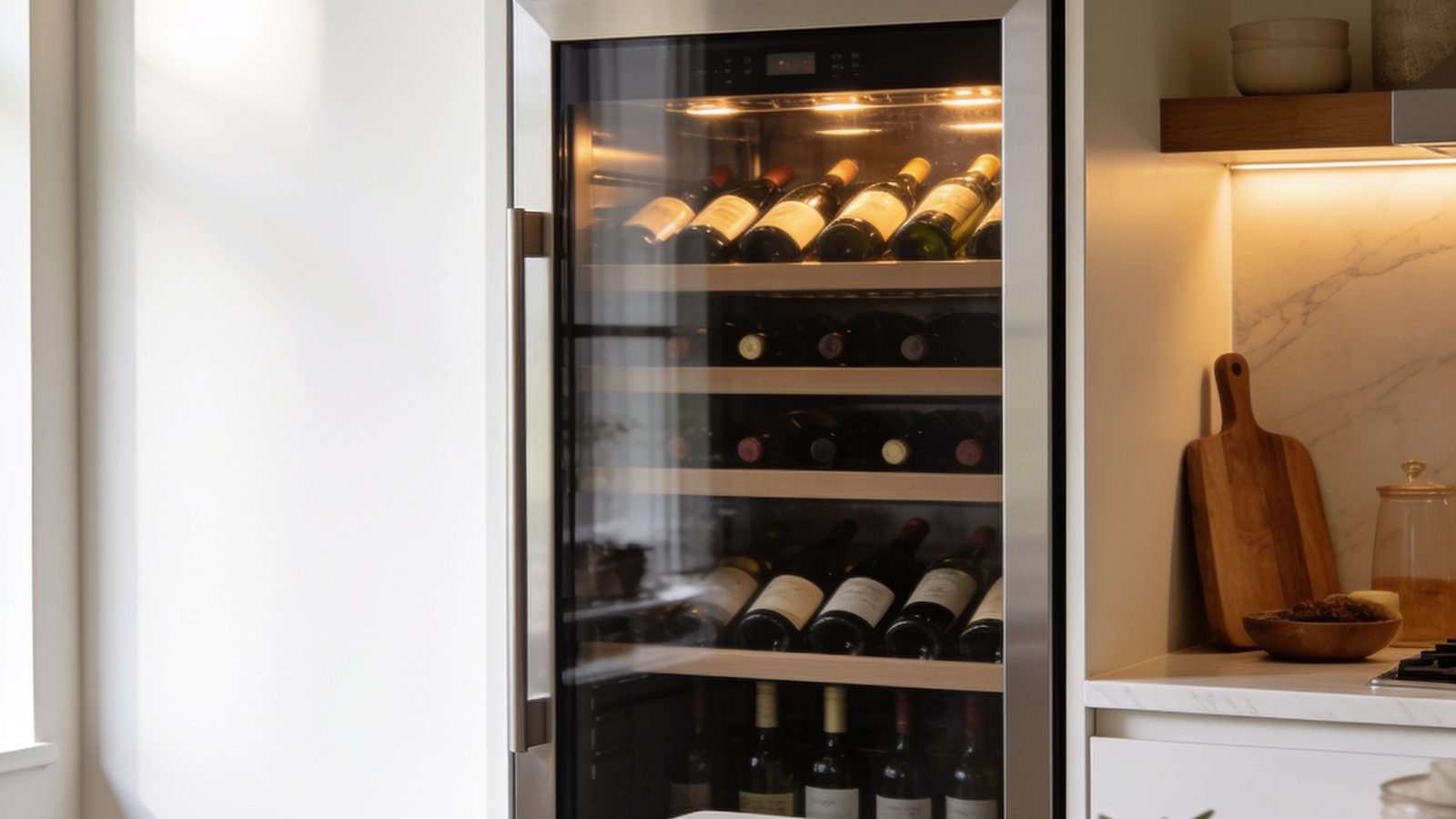 Wine Coolers
Reader-supported: we may earn a commission if you buy through links on this page, at no extra cost to you. Learn more. Last updated June 2026.
A wine cooler keeps bottles at the right serving and storage temperature — cooler and more stable than a kitchen fridge, without the vibration and odors that hurt wine over time. The main decisions are capacity, whether you need one or two temperature zones (for reds and whites separately), and how quiet it needs to be.
We compared the most popular wine coolers on temperature stability, capacity, noise, and value. Here are the five worth buying.

Quick comparison
| Model | Best for | Capacity | Approx. price |
|---|---|---|---|
| NutriChef 24-Bottle | Overall pick | 24 bottles | $244 |
| Schmecke 12-Bottle | Compact / countertop | 12 bottles | $230 |
| Karcassin 15-Inch Built-In | Best built-in | 28 bottles | $119 |
| Ivation 18-Bottle | Best value | 18 bottles | $200 |
| Wine Enthusiast 33-Bottle | Most capacity | 33 bottles | $251 |
1. NutriChef 24-Bottle — Best Overall
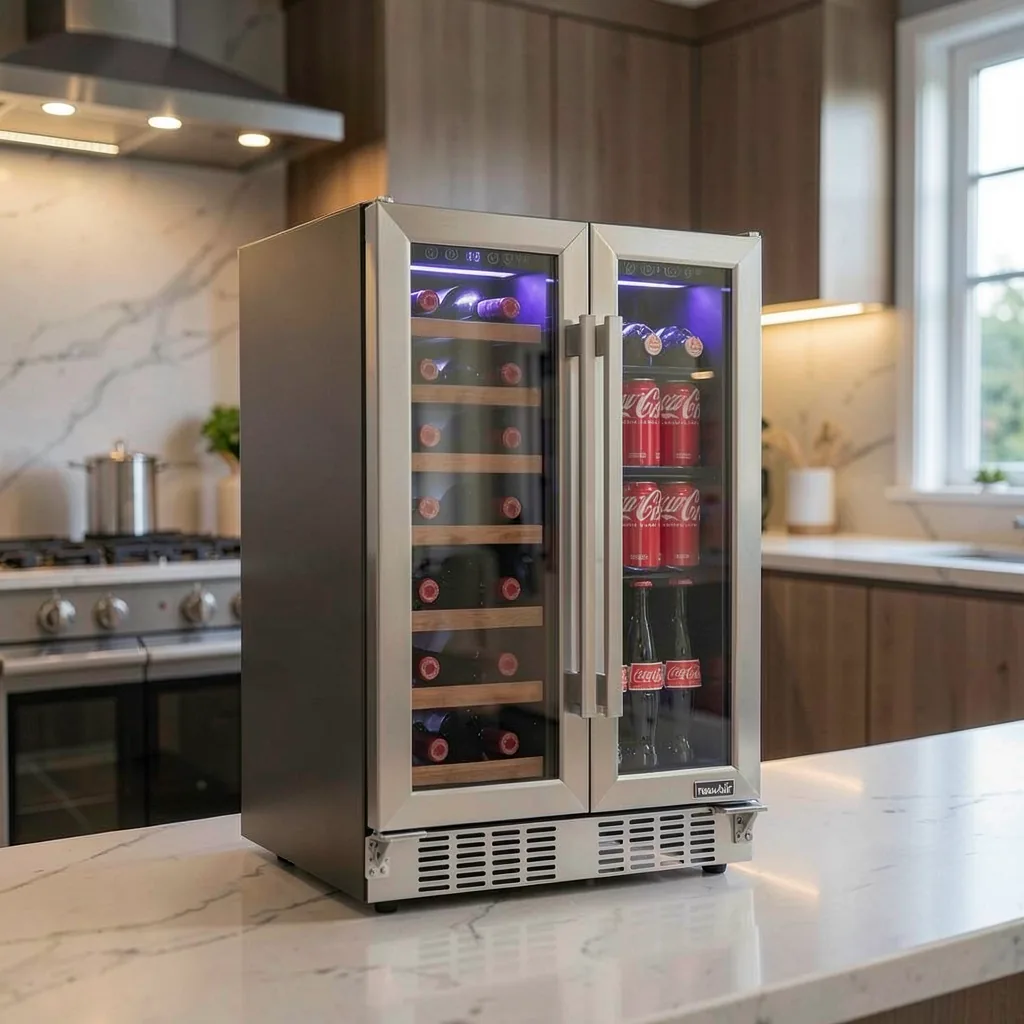
The NutriChef 24-bottle freestanding cooler hits the sweet spot of capacity, stable temperature, and quiet operation — and adds dual-zone control so reds and whites can each sit at their ideal temperature. A compressor system holds temperature reliably even in a warm room, and it looks good freestanding in a kitchen or bar. The best all-around pick for most homes.
- Pros: Stable compressor cooling; dual-zone temperature control; quiet; good capacity.
- Cons: Freestanding only (needs ventilation clearance).
Read our full NutriChef 24-Bottle review →
2. Schmecke 12-Bottle — Best Compact
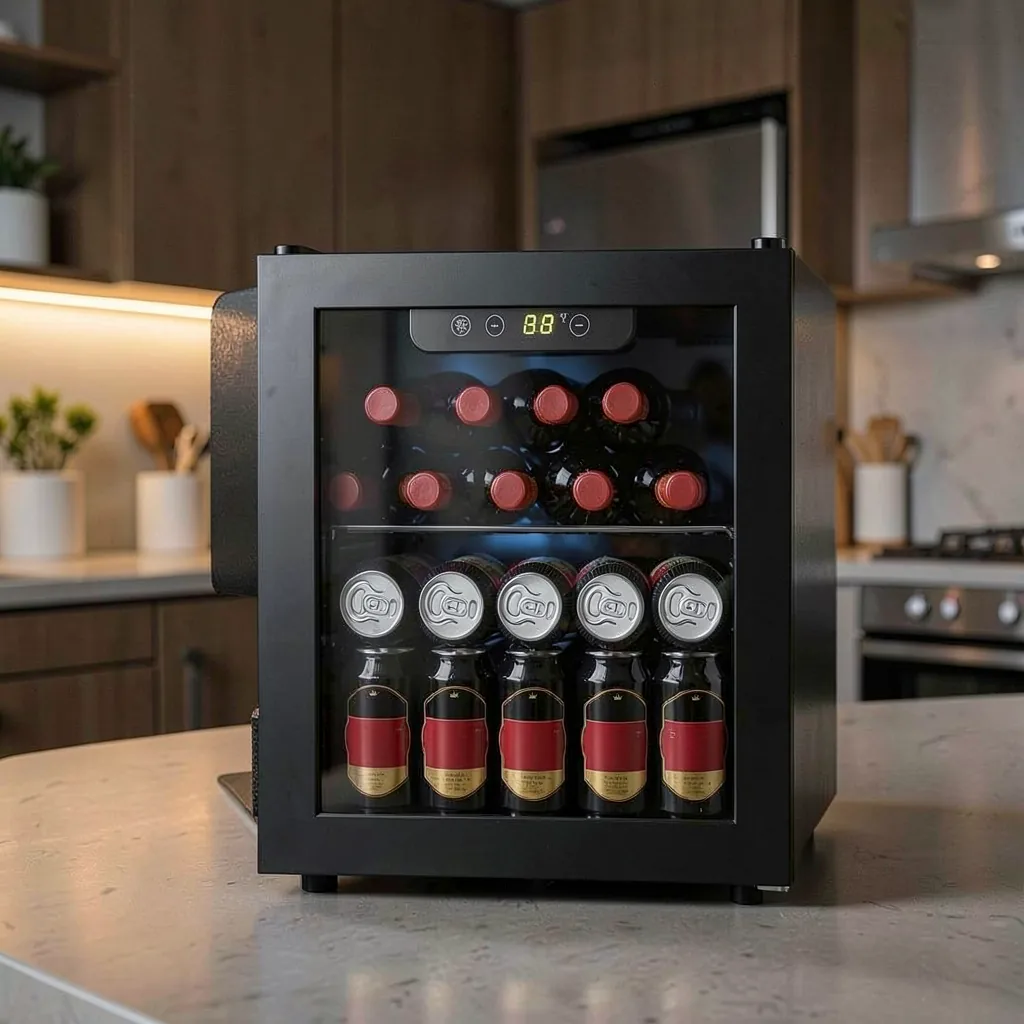
For a small collection or a tight space, the Schmecke 12-bottle cooler pairs stable compressor cooling with a locking door, compact enough to sit on a counter or under a bar. Compressor cooling recovers temperature faster than thermoelectric models after the door opens.
- Pros: Compressor cooling; compact; locking door.
- Cons: Some compressor hum; single zone.
Read our full Schmecke 12-Bottle review →
3. Karcassin 15-Inch — Best Built-In
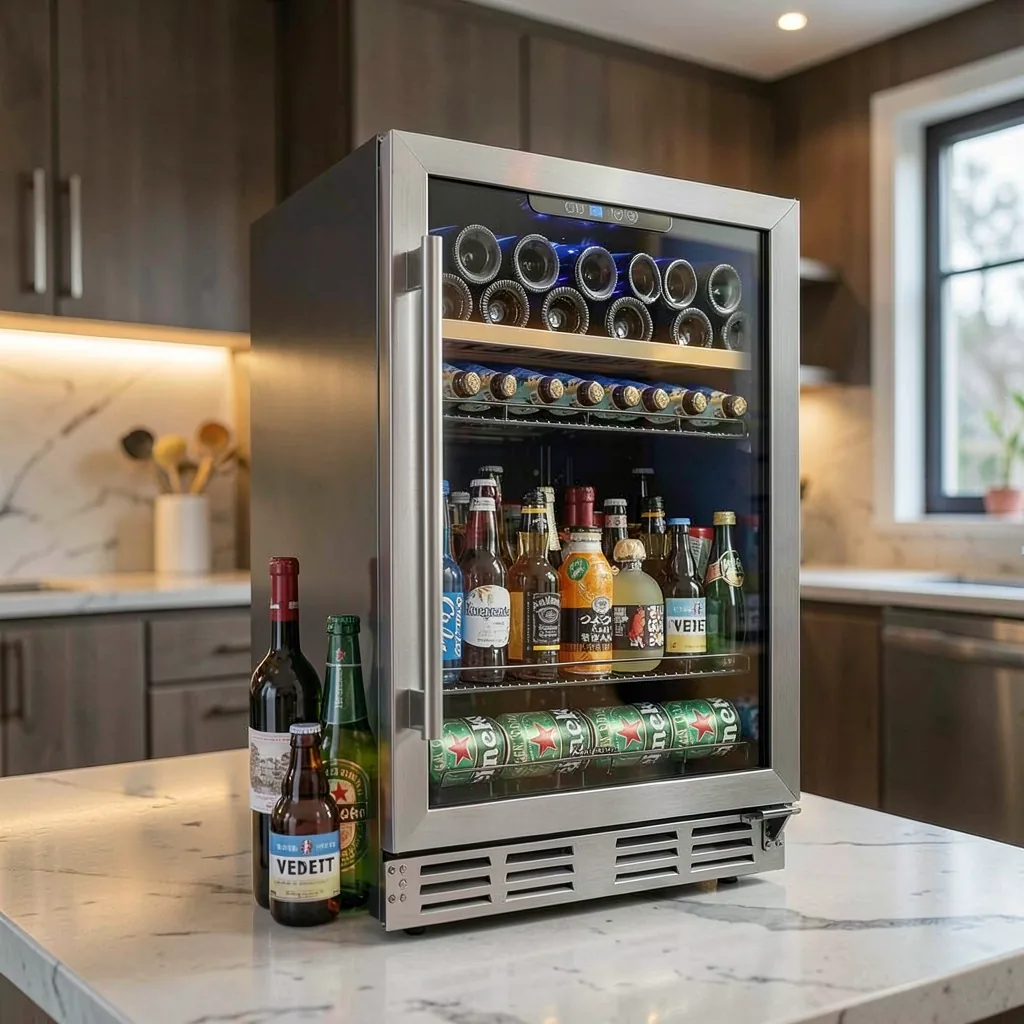
If you want to install a cooler under the counter, the Karcassin is built to the standard 15-inch width: it can sit flush in cabinetry or run freestanding, with a tempered-glass door and room for 28 bottles — more capacity than most coolers in this footprint. A clean, built-in look for a kitchen or bar.
- Pros: Fits a standard 15-inch built-in slot; works freestanding too; strong capacity for the size; tempered-glass door.
- Cons: Install requires clearance and a level spot.
Read our full Karcassin 15-Inch review →
4. Ivation 18-Bottle — Best Value
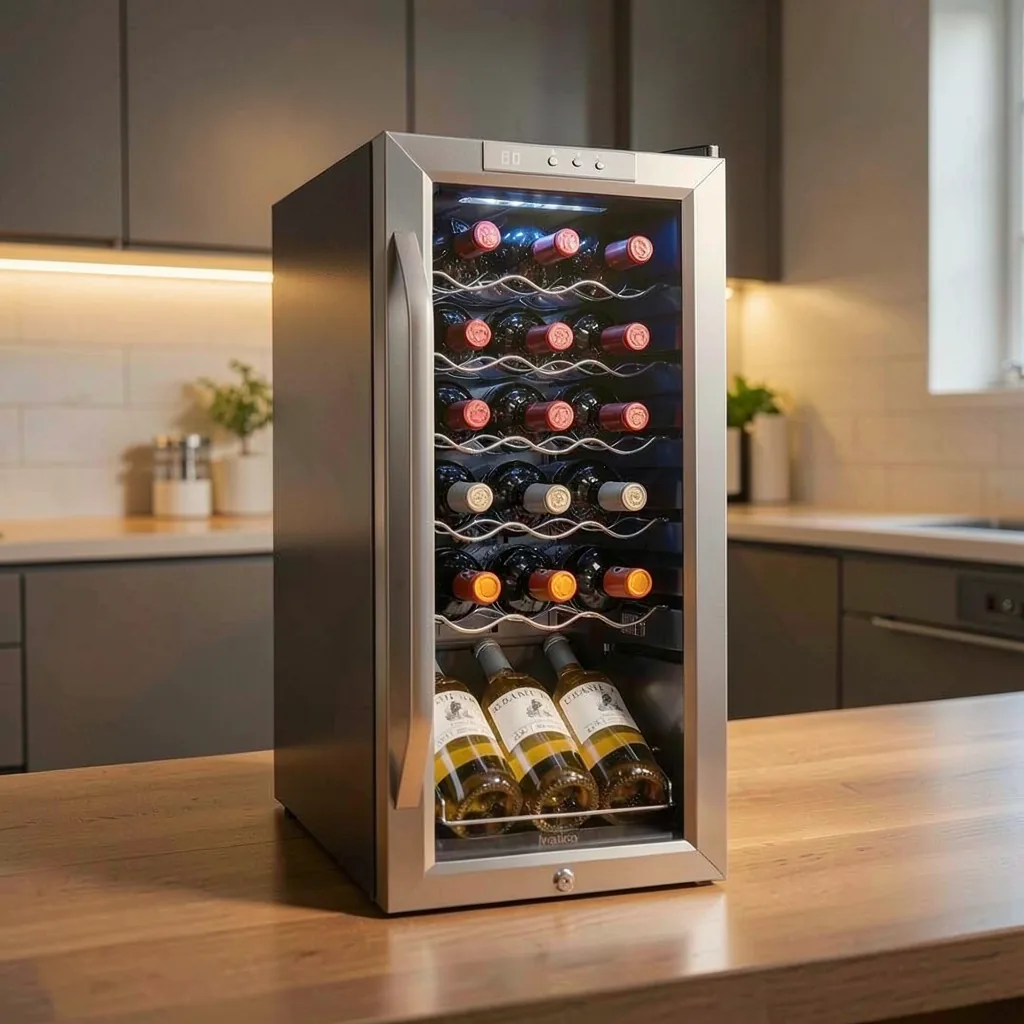
The Ivation 18-bottle cooler gives you solid capacity and a digital temperature display at a friendly price. It's a dependable freestanding choice for a growing collection, with a reversible glass door and quiet operation for the money.
- Pros: Good capacity for the price; digital display; reversible door; quiet.
- Cons: Single zone; freestanding only; mid-tier build.
Read our full Ivation 18-Bottle review →
5. Wine Enthusiast 33-Bottle — Most Capacity
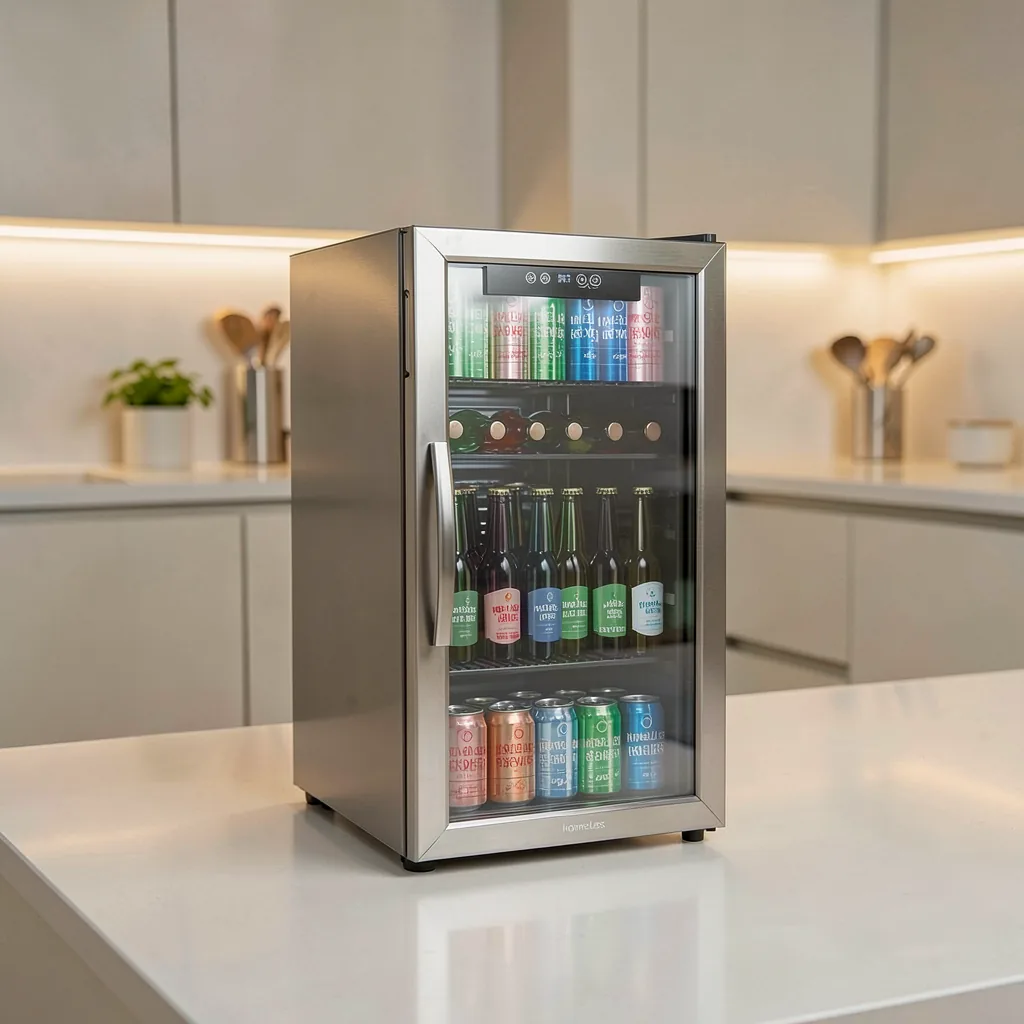
Growing a real collection? The Wine Enthusiast 33-bottle cooler offers the most storage here (3.3 cu ft) with stable compressor cooling, vertical bottle storage, and a digital LED panel. It's the pick when 12–18 bottles just isn't enough and you want room to grow.
- Pros: Large capacity; stable compressor cooling; digital LED controls.
- Cons: Tall footprint; single zone; heavier to move.
Read our full Wine Enthusiast 33-Bottle review →
How to choose a wine cooler
- Compressor vs thermoelectric: Compressor models cool more powerfully and work in warm rooms; thermoelectric is quieter and vibration-free but weaker in heat.
- Single vs dual zone: Dual zone stores reds and whites at different temperatures; single zone is simpler and cheaper.
- Freestanding vs built-in: Built-in (front-venting) units can sit flush under a counter; freestanding units need air clearance around them.
- Capacity: Buy bigger than you think — collections grow, and bottles take more room than they look.
Frequently asked questions
What temperature should a wine cooler be?
For serving, roughly 45–50°F for whites and 60–65°F for reds; for long-term storage, around 55°F. Dual-zone coolers let you do both at once.
Can I build a freestanding wine cooler into a cabinet?
No — freestanding units vent from the back or sides and will overheat if enclosed. For a built-in look, choose a model built for it, like the Karcassin 15-Inch.
Bottom line: The NutriChef 24-Bottle is the best wine cooler for most homes. Tight on space? The Schmecke 12-Bottle is the compact pick; want a built-in look? Go with the Karcassin 15-Inch.