
1. Save the carcass promptly
Why it matters: A carcass left out on the counter is not safe to cook with later.
What to do: Once the meal is done, pull the leftover meat off the bones and refrigerate it. Put the carcass in the fridge as well, or freeze it if you will not make stock in the next day or two.
2. Break it up and start with cold water
Why it matters: A whole carcass will not fit in most pots, and hot water pulls flavor out unevenly.
What to do: Break or cut the carcass into pieces that fit your pot. Cover with cold water by an inch or two. Add any leftover pan juices or skin and bones, but skip the greasy drippings and anything heavily seasoned that would make the stock taste off.
3. Add simple aromatics
Why it matters: Stock is a base, so it should taste clean and savory.
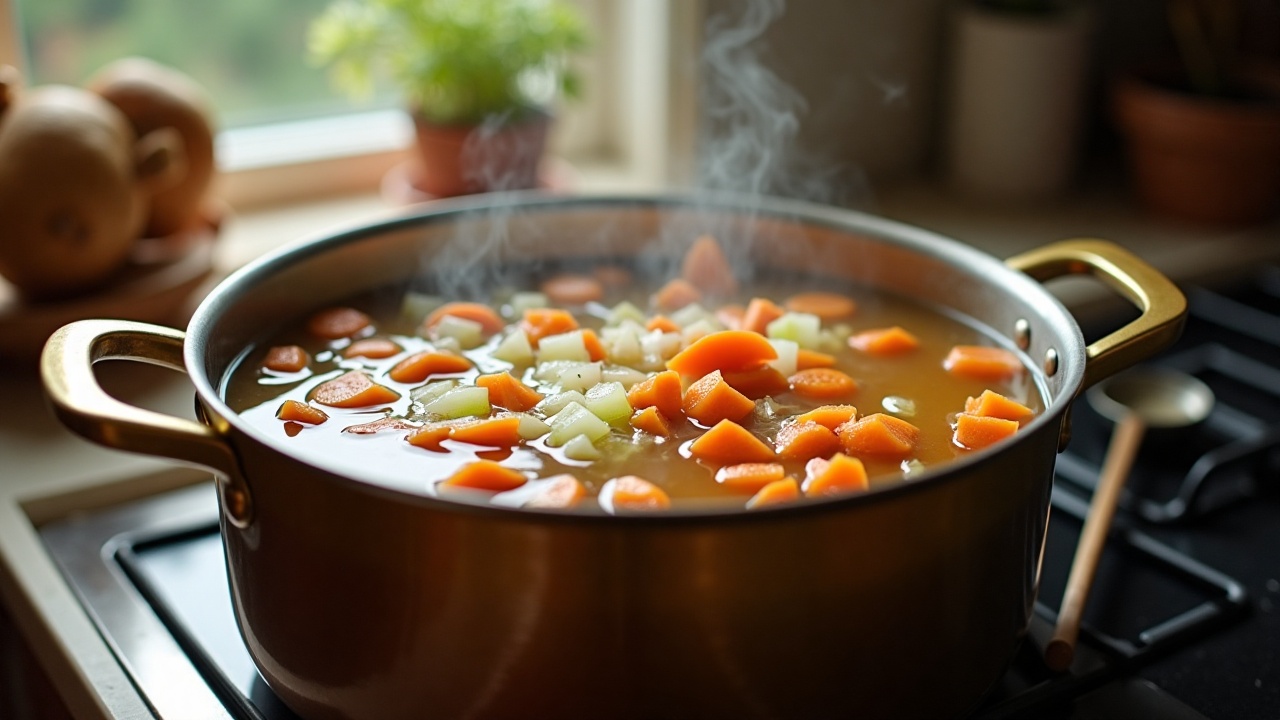
What to do: Add a halved onion, a couple of carrots and celery stalks in big chunks, a few garlic cloves, a bay leaf, a few peppercorns and a handful of parsley stems. Leave the salt out for now; you can season the finished soup.
4. Simmer gently
Why it matters: A hard boil makes the stock cloudy and greasy.
What to do: Bring it to a boil, then lower the heat to a bare simmer and leave it uncovered or partly covered. Skim off any foam that rises in the first few minutes. A couple of hours is usually enough to pull the flavor from the bones.
5. Strain and chill
Why it matters: Bones and mushy vegetables should not end up in your soup.
What to do: Lift out the large pieces, then pour the stock through a fine strainer. Chill it in the fridge in shallow containers. Fat rises and hardens on top, and you can lift it off or leave a little for flavor.
6. Build the soup
Why it matters: Stock alone is thin; the soup needs body and something to chew.
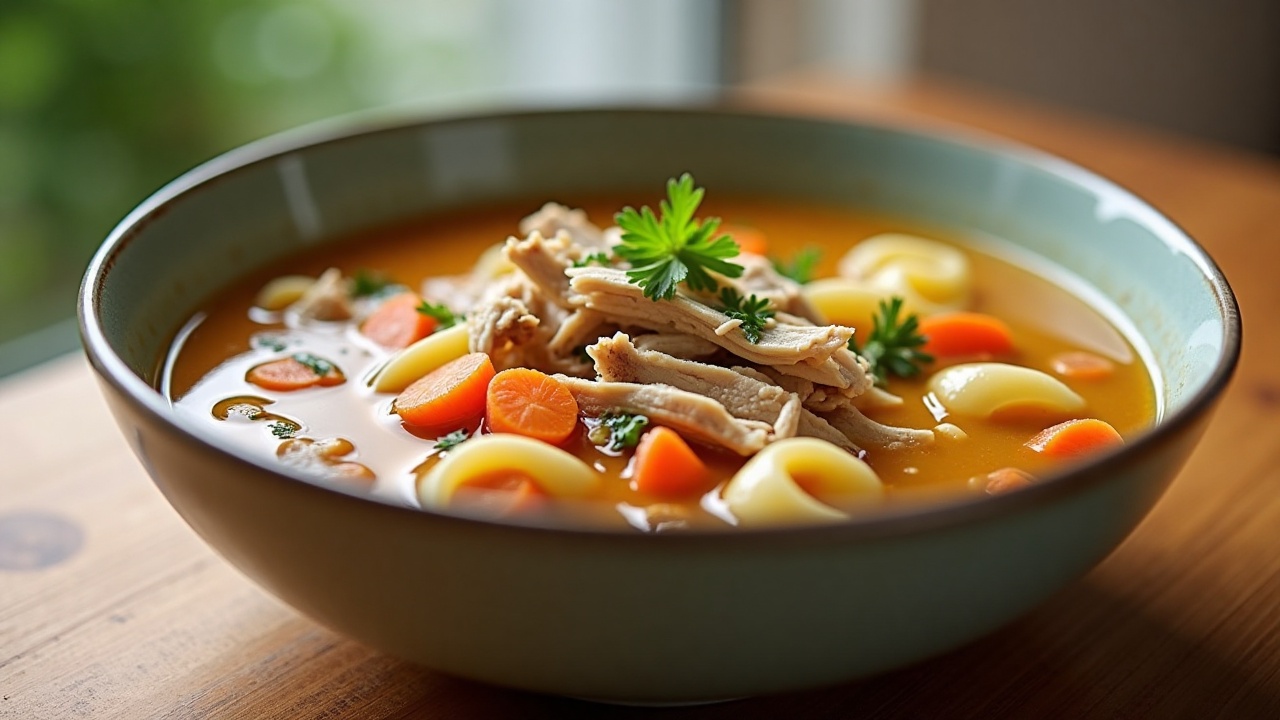
What to do: Soften chopped onion, carrot and celery in a little oil or butter, add the stock and bring to a simmer. Add noodles, rice, barley or potatoes, and cook until tender.
7. Add the meat at the end
Why it matters: Turkey that simmers too long turns stringy and dry.
What to do: Stir in shredded or diced leftover turkey during the last few minutes, just until warmed through. Taste and season with salt, pepper and a squeeze of lemon or a splash of vinegar to brighten it.
8. Easy variations
Why it matters: Turkey soup does not have to be the same every time.
What to do: For a creamy version, stir in a little cream or a spoonful of mashed potato at the end. For a heartier pot, add white beans, wild rice or leftover vegetables. For a spicy twist, add a pinch of chili flakes and a handful of greens. If you plan to freeze the soup, cook noodles separately and add them when you reheat, so they do not turn mushy.
9. Freeze it in portions
Why it matters: A big pot of soup is more than most households finish in a few days.
What to do: Cool the soup, then freeze it in single-portion containers or freezer bags laid flat. Leave a little room at the top for expansion, and freeze the stock separately in cup-sized portions for sauces and gravy. Our guide to thickening and freezing soup covers portioning in more detail.
Related soups and guides
More soup ideas to go with your stock:
- Homemade chicken noodle soup: use turkey stock and turkey meat.
- Beef barley soup: a hearty, freezer-friendly soup.
- How to thicken and freeze soup: freeze your stock and soup in portions.
- Leftover turkey and ham recipes: ten more ways to use the meat.
- Fall soup recipes: five soups for the pot or the freezer.